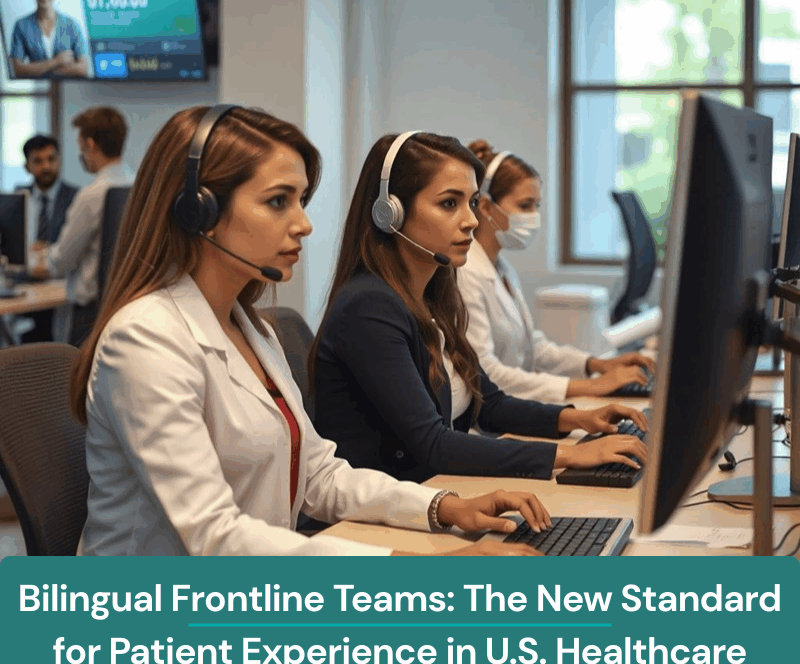
In the ever-evolving healthcare industry, patient engagement has become more than just a buzzword—it’s a critical driver of success. Healthcare providers that foster meaningful patient interactions see higher retention rates, improved health outcomes, and, most importantly, increased revenue. But achieving this level of engagement can be challenging, especially with limited resources and growing patient demands. That’s where a nearshore partner, like Helium, can make all the difference. In this post, we’ll explore how partnering with a nearshore provider can transform patient engagement and directly impact your bottom line.
The Link Between Patient Engagement and Revenue Growth
Patient engagement is more than ensuring patients show up for their appointments; it involves creating a seamless, supportive, and proactive communication experience that builds trust and encourages long-term loyalty. Studies show that highly engaged patients are 2.6 times more likely to stick with their healthcare provider, leading to more follow-ups, fewer gaps in care, and increased revenue from ongoing services.
Moreover, effective engagement reduces costly inefficiencies like no-show appointments and unplanned hospital readmissions. By streamlining communication, healthcare providers can ensure patients receive timely reminders, educational resources, and post-care follow-ups, fostering a relationship that benefits both patient health and organizational revenue.
Challenges Healthcare Companies Face with Patient Engagement
Despite its importance, many healthcare organizations struggle to implement robust patient engagement strategies due to:
1. Limited Internal Resources: Healthcare staff often juggle numerous responsibilities, from patient care to administrative tasks. This workload leaves little room for personalized outreach efforts, which are critical for building trust and ensuring patients remain engaged with their healthcare journey. For instance, nurses and administrative staff may prioritize immediate tasks like managing clinical emergencies, processing paperwork, or coordinating with insurance providers, leaving follow-ups and reminders to fall by the wayside. The lack of dedicated resources for engagement not only impacts patient satisfaction but also increases the likelihood of missed appointments, delayed follow-ups, and lost revenue opportunities.
.
2. Scaling Engagement Efforts: As healthcare organizations grow and patient volumes increase, the challenge of maintaining consistent and meaningful interactions with each individual becomes more pronounced. A small team that managed 500 patients effectively may struggle to provide the same level of service to 5,000. The increased volume often leads to a reliance on generic, one-size-fits-all communication strategies that fail to resonate with patients on a personal level. Additionally, without scalable systems and processes, healthcare providers risk creating bottlenecks, resulting in delayed responses, longer wait times, and diminished patient trust.
3. Fragmented Communication: In many healthcare organizations, patient communication is spread across various departments and channels, such as phone calls, emails, patient portals, and text messages. Without a unified system to consolidate these interactions, patients can receive mixed messages, redundant reminders, or, worse, no follow-up at all. For example, a patient may receive a text confirming their appointment but not the updated time communicated via email. This disjointed experience can lead to confusion, frustration, and a lack of confidence in the provider. Fragmented communication also makes it difficult for staff to track patient interactions, leading to missed opportunities for timely interventions and jeopardizing patient satisfaction and retention.
These challenges can lead to frustrated patients and missed revenue opportunities, underscoring the need for a specialized solution.
How a Nearshore Partner Can Help
A highly specialized nearshore partner, such as Helium, offers the expertise and resources needed to overcome these challenges and enhance patient engagement. Here’s how:
Specialized Appointment-Setting Services: A nearshore partner can ensure patients receive timely reminders for their appointments, reducing no-show rates significantly. This service not only improves operational efficiency but also boosts revenue by minimizing gaps in the schedule.
Proactive Outreach Programs: Beyond appointment reminders, a nearshore provider can implement outreach programs that follow up with patients after their visits. Whether it’s checking on their recovery, ensuring medication adherence, or scheduling follow-ups, these touchpoints build trust and encourage ongoing care.
Omnichannel Support: Patients today expect seamless communication across various channels—phone, email, text, or even chat. A nearshore partner can deliver consistent, high-quality interactions through the patient’s preferred medium, ensuring they feel supported every step of the way.
Real-Life Success Stories
Consider the case of a mid-sized healthcare provider struggling with a 25% no-show rate. By partnering with Helium, they implemented a robust appointment reminder system that reached patients via text and phone. Within six months, their no-show rate dropped to 15%, resulting in an additional $250,000 in annual revenue from recaptured appointments.
Another example involves a provider that introduced post-visit follow-ups through a nearshore partner. Patients appreciated the proactive care, leading to a 20% increase in patient satisfaction scores and a noticeable uptick in referrals from happy patients. These examples highlight the tangible impact a nearshore partner can have on patient engagement and revenue.
Key Qualities to Look for in a Nearshore Partner
Choosing the right nearshore partner is crucial for success. Here are a few essential qualities to consider:
1. Expertise in Healthcare Workflows: Look for a partner with a deep understanding of healthcare operations, including HIPAA compliance, patient privacy, and communication protocols.
2. Proven Track Record: A reliable nearshore partner will have case studies and testimonials demonstrating their ability to deliver measurable engagement outcomes.
3. Seamless Integration: Ensure the partner can integrate their services with your existing systems, such as EHRs and CRM platforms, for a smooth and efficient workflow.
Conclusion
Partnering with a nearshore provider for patient engagement isn’t just a strategic move—it’s a revenue growth opportunity. By leveraging specialized services like appointment setting, proactive outreach, and omnichannel communication, healthcare providers can enhance patient experiences, improve satisfaction, and capture lost revenue.
If you’re ready to take your patient engagement strategy to the next level, let us help. Contact us today to learn how our nearshore solutions can support your organization’s goals and drive sustainable growth.